
Sleep & recovery
Sleep as a 24-hour cycle
Rest depends on what happens across the whole day: light exposure, room temperature, quiet, and the way we wind down in the evening. This page looks at how deliberate habits can support a more restful night.
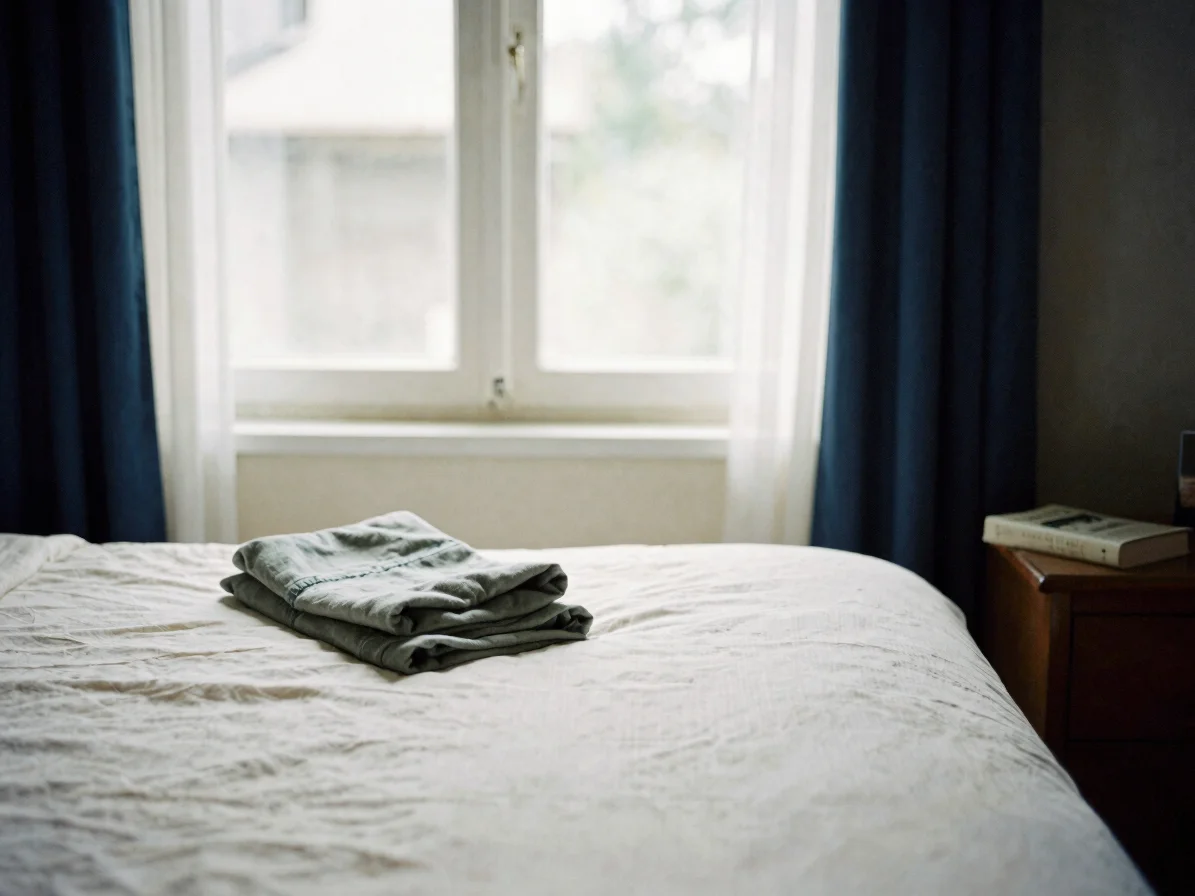
The sleep environment
Darkness, temperature, and quiet
Light is one of the strongest signals the body reads about time of day. A room that stays dim in the evening, cooler rather than warm, and free of intrusive sound gives sleep the conditions it needs. Screens are easiest to manage when their use is curated: fewer notifications, lower brightness, and a clear stopping point before bed.
These adjustments are simple and reversible. They work best as a set of gentle changes to test over a few weeks, and they do not replace a clinical assessment when sleep problems persist.
Evening routines
Three ways to wind down
Each of these routines reduces arousal gradually, well before the lights go out. None is a shortcut; each is a practice to explore at your own pace.
Lighting
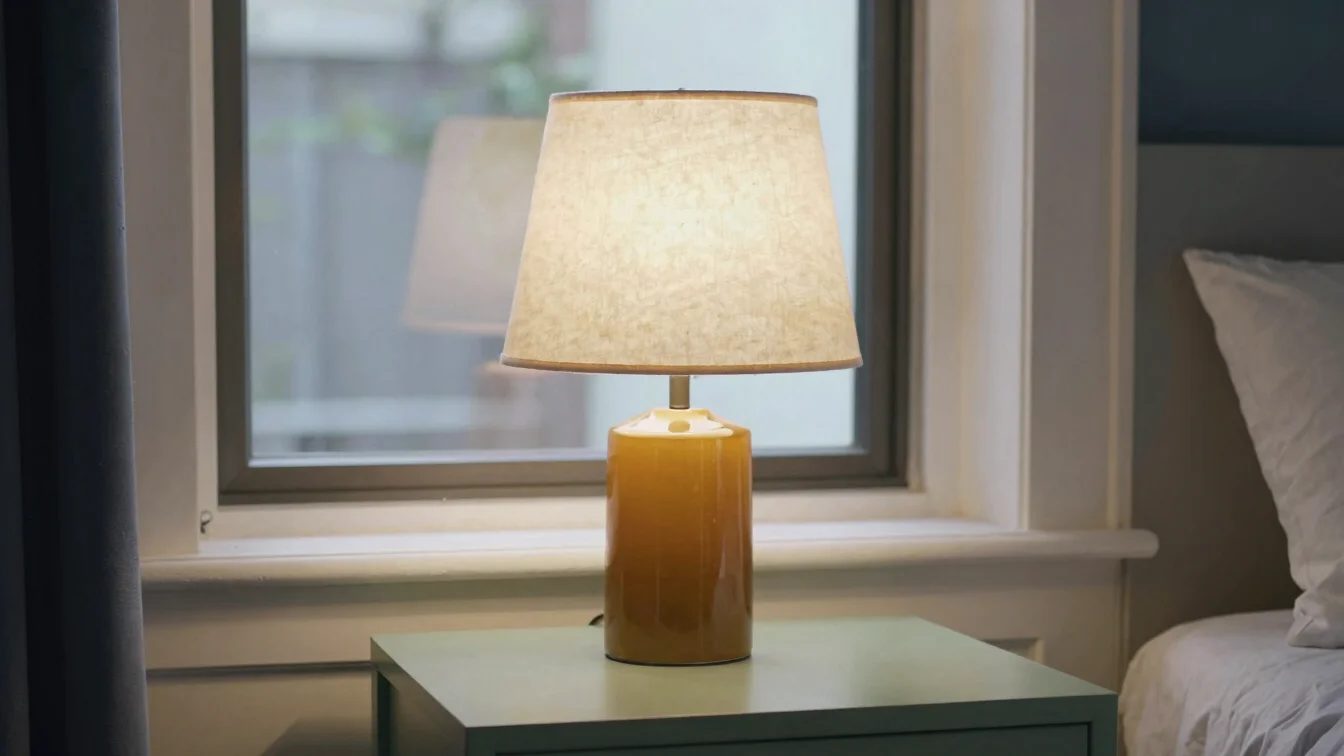
Dim the lights an hour before bed
Lower overhead lighting and switch to warm, low lamps. The change is gentle and signals to the body that the day is ending.

Journaling
Write down what is still open
A few lines in a notebook can set aside unfinished thoughts for the next day. Keep it brief and unhurried, without aiming for insight.
Deceleration
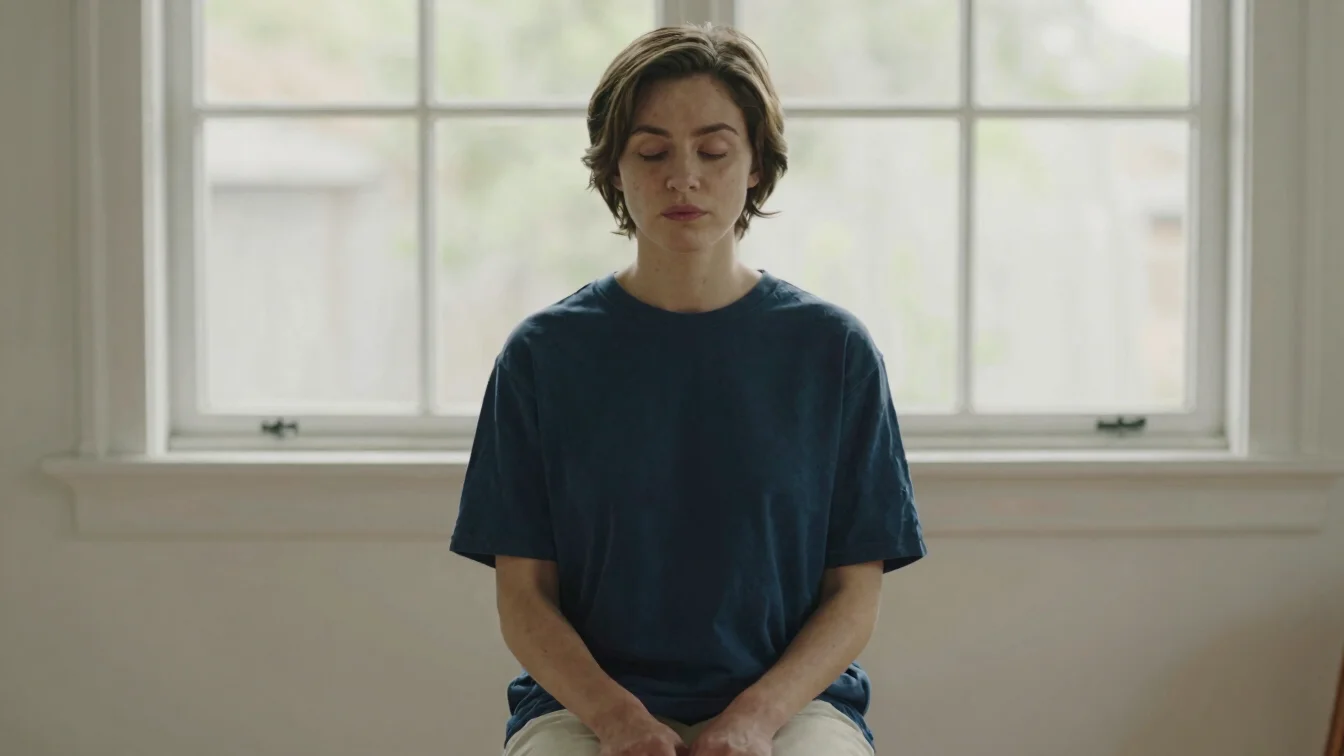
Slow the breath and the body
Gentle stretching or a few slow, lengthened exhalations can lower physical tension. Treat it as a way to settle, not as a cure for insomnia.